
How to Compare Online Pet Store Return Policies
Last Updated: November 12, 2026
Quick Summary
Online pet stores have different pet store return policies because they set rules around cost, safety, and the type of product. A 20kg bag of kibble and a rubber toy carry very different risks, so windows and exclusions vary by category.
- Return windows often run shorter on perishables and consumables like food, treats, and supplements.
- Opened food and treats are usually not returnable unless the product is faulty.
- An opened item usually counts as resellable only if it is unused, undamaged, and in original packaging.
- In-store returns of online orders follow the store's own rules, not the website's policy.
- Run the six-check comparison checklist before checkout, not after the box arrives.
Table of Contents
- Why Online Pet Stores Have Different Return Policies
- The Online Pet Store Return Window: 14, 30, or 60 Days
- PetSmart Return Policy Opened Items: What Counts as Resellable
- Petco Return Policy on Opened Food and Treats
- Returning Online Pet Orders In-Store: What to Expect
- Who Pays Return Shipping and How Bulky Items Work
- A Checklist for Comparing Pet Store Return Policies Before You Order
- Checking Nexona Mart's Return Terms Before Checkout
- Frequently Asked Questions
Why Online Pet Stores Have Different Return Policies
Return terms have shifted across online retail in recent years, and they explain a lot about why online pet stores have different return policies. At Nexona Mart, we watch these terms closely because they decide what you actually get back when a bag of food or a chew toy doesn't work out.
Here is the short answer: pet stores set return rules around cost, safety, and the type of product. A 20kg bag of kibble and a rubber toy carry very different risks.
Below, we break down what drives those differences and how to check a policy before you pay.
Logistics Costs and the Weight Problem
Shipping heavy goods costs money both ways. A returned crate or a bulky feeder can cost more to move than the store earns on the sale. That is why return shipping rules vary so much between shops.
According to ECR Retail Loss research on buy-online-return-in-store, returns from online sales, particularly returns to stores, can seriously affect company profits.
So stores balance two things:
- Keeping you happy enough to order again
- Limiting losses on heavy or awkward items
Safety, Food, and Live Animal Rules
Food, treats, and live animals sit under stricter rules than toys. Once a bag is opened, a store often cannot resell it. That makes opened food a common exclusion.
Some retailers handle live animals and frozen goods under separate rules from everyday purchases, so the same industry can treat returns very differently.
The Online Pet Store Return Window: 14, 30, or 60 Days
The online pet store return window is the deadline for sending an item back, and it usually runs from the purchase or delivery date. Windows vary widely, but the gap is not random. It tracks the product category, the store's fulfillment model, and how much risk the retailer is willing to carry.
A shorter window is common on perishables and consumables. Food, treats, and supplements often carry shorter windows because the store cannot verify storage conditions after the item leaves its control. Longer windows tend to cover toys, beds, and accessories, where the item can be inspected and resold if it comes back in good condition. Some retailers split the difference by offering a standard window for most goods and a separate, shorter guarantee for live animals or frozen products.
University of Texas at Dallas researchers examined how return policies affect what shoppers buy and what they send back. The takeaway: the deadline changes behavior, so check it before you order.
Three things to confirm:
- When the clock starts (purchase date vs. delivery date)
- Whether weekends and holidays count
- If the window differs by category, especially for food and bulky items
Watch out: a window that looks generous on the website may be shortened in practice if the store measures from the shipment date rather than the day the box lands on your porch. Always note the delivery date and keep the packaging until you are sure you are keeping the item.
Understanding why windows vary helps you compare policies on equal terms. A 60-day window on a chew toy is not the same as a 60-day window on a bag of kibble, because the store's ability to resell the item is different. Check the category-specific terms before you assume the standard window applies.
PetSmart Return Policy Opened Items: What Counts as Resellable
An opened item usually counts as resellable only if it is unused, undamaged, and still in its original packaging. Opened food, treats, and chewed toys typically fall outside that line.
This is where proof of purchase earns its keep. A receipt or order confirmation speeds up any refund or exchange, and some stores refuse a return without one.
What most shoppers miss is that "opened" is judged by condition, not by the box. A toy you took out and inspected may still qualify. A toy your dog chewed generally does not.

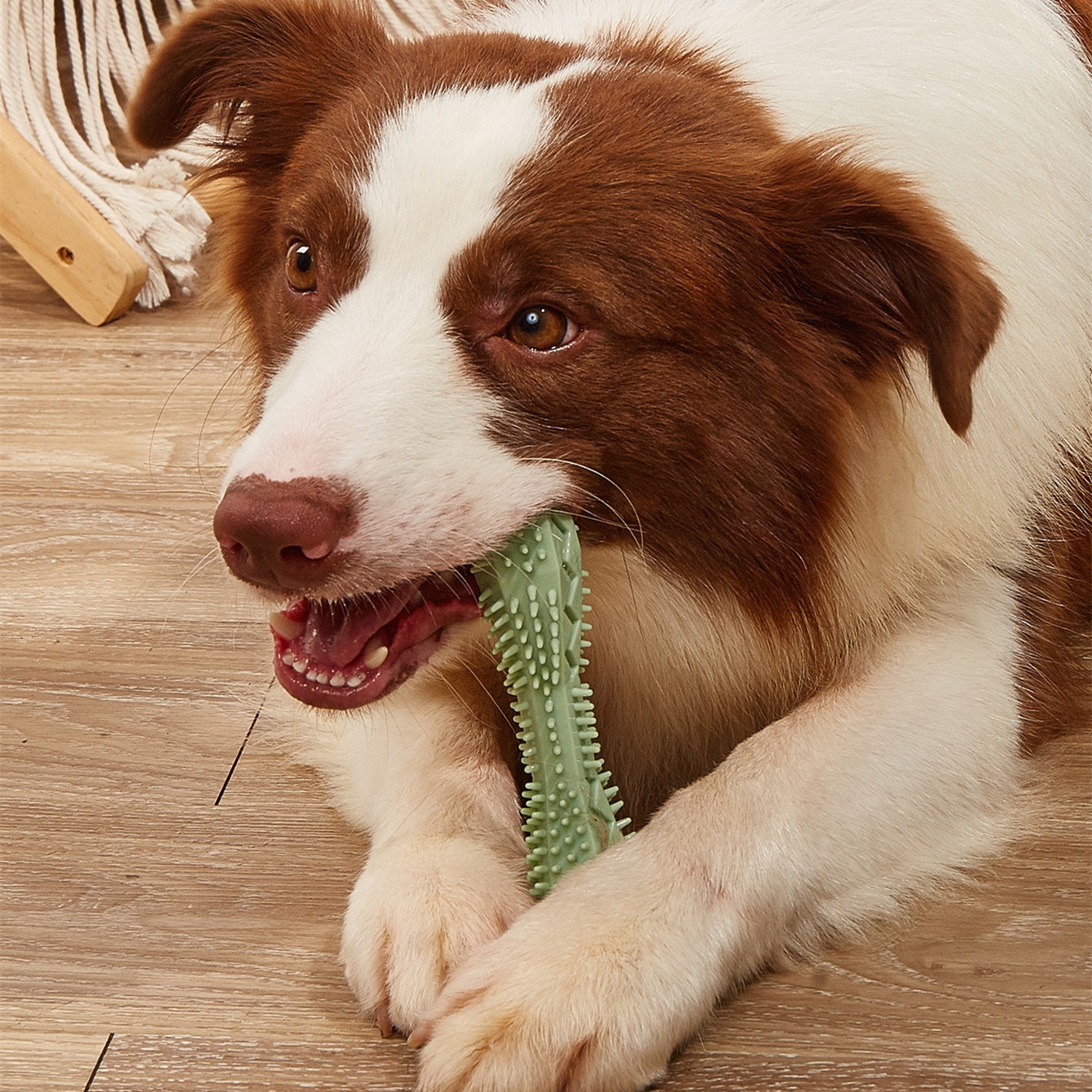
If you are weighing what counts as resellable, it helps to see a real product example first. Take a look at our Dog Chewable Toy to judge condition before you order.
Petco Return Policy on Opened Food and Treats
Opened food and treats are usually not returnable unless the product is faulty. Retailers such as Petco may use refund-verification systems to process and track returns, and returns can be limited or declined based on those checks.
That verification step is the part people forget. It means a return can be refused even inside the window.
So keep three things ready:
- Your order number
- The original packaging
- Photos if the item arrived damaged
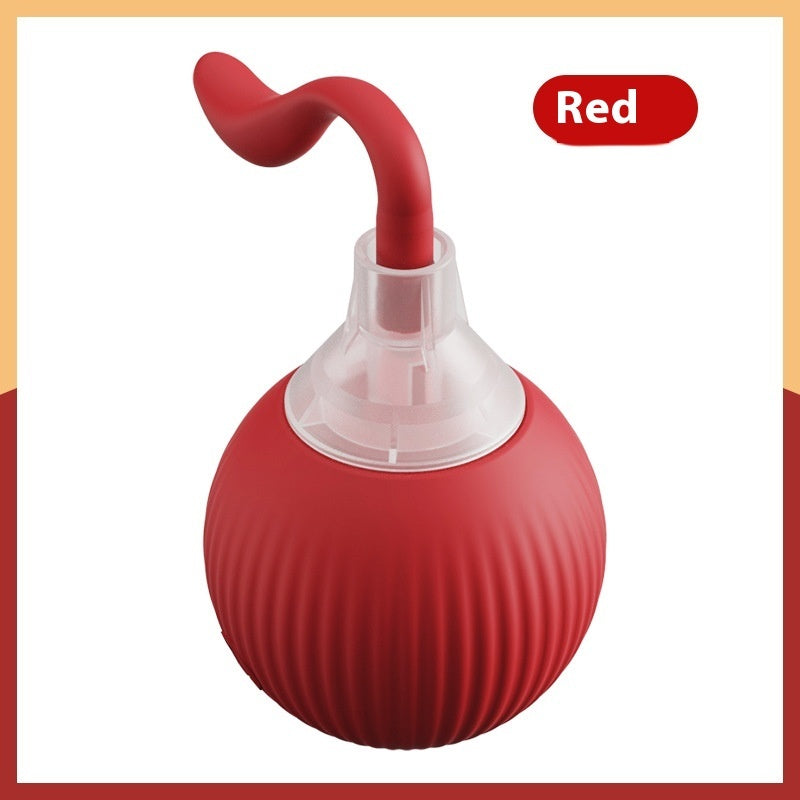
Once you know the opened-item rules, buying with confidence gets easier. Browse our Chase Play Interactive Pet Toy with that in mind.
Returning Online Pet Orders In-Store: What to Expect
Returning an online purchase to a physical store is often faster than posting it back, but the terms can differ from the online policy in ways that matter. Bring your order confirmation, the card you paid with, and the item in its packaging. Expect staff to check condition on the spot, and expect the store to follow its own rules, not the website's.
The key difference is that in-store returns shift the inspection burden to the moment you hand over the item. Online returns often involve a shipping step where the retailer inspects later; in-store, a staff member decides immediately whether the item is resellable. That can work in your favor if the item is clearly unused, but it can also lead to a refusal on the spot if the packaging is damaged or the item looks used.
Refund methods for in-store returns of online orders can differ from the online policy, so ask before you make the trip.
Watch out: if you paid with a gift card or a third-party payment service, the store may not be able to refund to the original method and may issue store credit instead. Confirm the refund method before you hand over the item.
The practical takeaway is to treat an in-store return as a separate transaction with its own terms, and to ask two questions before you visit: will the store accept an online order, and how will the refund be issued?
Who Pays Return Shipping and How Bulky Items Work
Return shipping is the cost of sending an item back, and who pays depends on why it is going back. Return shipping coverage depends on the reason for the return, so check the policy for your situation.
Bulky goods can need special handling, so check how large or heavy items are treated before you order.
Before you order something big, check two things:
- Whether return shipping is free
- Whether the item is excluded from returns
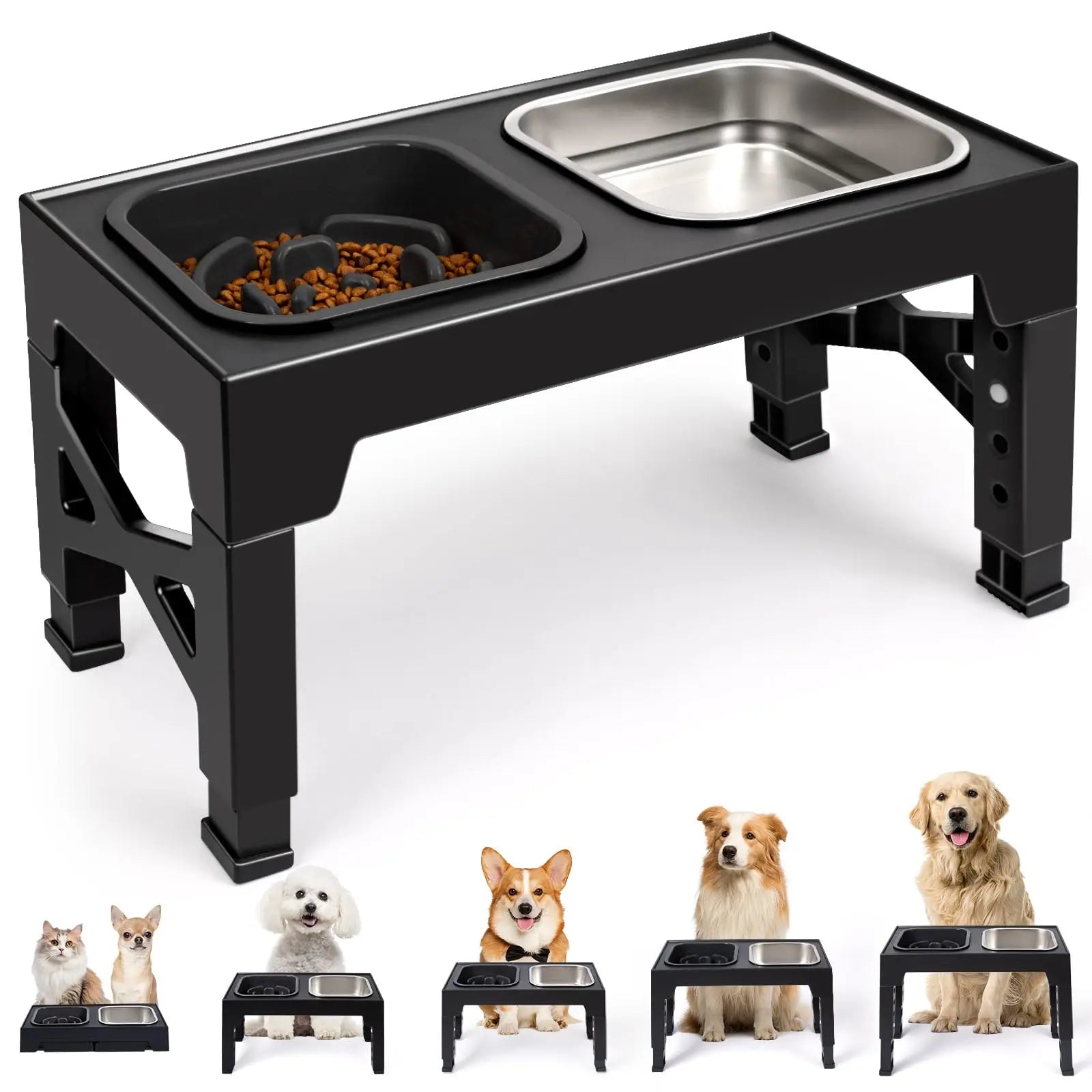
If you are thinking about bulky-item returns, it helps to see an example first. Our 2 In 1 Elevated Slow Feeder Dog Bowls shows the kind of product where size and packaging shape the return terms.
A Checklist for Comparing Pet Store Return Policies Before You Order
Comparing policies comes down to six checks you can run in about five minutes. Do this before checkout, not after the box lands.
- Find the return window and note the start date
- Check whether opened food and treats are excluded
- Confirm receipt or proof-of-purchase rules
- See who pays return shipping
- Check bulky-item and final-sale exclusions
- Note the refund method and timeline
Pair that checklist with safe payment habits. Our guide on how to choose safe payment options for online shopping covers what to check before you pay.
| Question | Why It Matters | What to Note |
|---|---|---|
| Return window | Sets your deadline | Start date and length |
| Opened food rule | Common exclusion | Faulty-item exception |
| Proof of purchase | Speeds up refunds | Receipt or order number |
| Return shipping | Adds real cost | Who pays, and when |
| Refund method | Cash vs store credit | Original payment rules |
Checking Nexona Mart's Return Terms Before Checkout
At Nexona Mart, we would rather you check the terms first than discover them after a return goes wrong. Our product pages carry detailed descriptions and specifications to help you judge the product before you buy.
Here is how we would do it:
- Read the product description and specifications
- Confirm the item suits your pet or home
- Check your order details after checkout
- Use your account to track the order
Registered users can track orders and manage wishlists, and guest checkout is available if you prefer to skip the account.
Return policies differ because cost, safety, and product type pull stores in different directions. The fix is simple: read the terms before you pay, keep your receipt, and check the opened-item rules on food and treats.
Nexona Mart gives you a curated one-stop shop for home, pet, and lifestyle needs, with secure payment options including PayPal and guest checkout. Detailed product descriptions help you choose right the first time, and order tracking keeps you informed after you buy. Visit Nexona Mart to shop, and check the terms before you order.
Frequently Asked Questions
Why do online pet stores have different return policies?
Each retailer balances cost against customer goodwill differently. Heavy items like litter and large crates cost more to ship back, so some stores shorten windows or charge return fees. Food, treats, and prescription products raise safety questions once opened, so those categories often carry exclusions. Live animals and adoption guarantees follow separate rules entirely. Return terms now vary widely between retailers.
Can pet stores accept returns on opened food?
Some do, many do not. Opened food is usually excluded because it cannot be resold, and stores cite safety and contamination concerns. A few retailers accept opened food within a short window, often in exchange for store credit rather than a card refund. Check the specific policy page before ordering a new brand your pet has never tried, and keep the original packaging until you know the food works. Buying a small bag first is cheaper than absorbing a refused return.
Can I return an online PetSmart order in-store?
In-store returns for online orders are possible at some pet retailers, and they may require proof of purchase and the original payment method. Bringing the item to a store can avoid return shipping costs, which matters for heavy purchases. Confirm the item is eligible first, since opened food and prescription products often fall outside the standard window. Check the retailer's current policy page before you travel, because terms change and staff apply the rules as written.
What should I check before returning an online pet store order?
Confirm four things: the return deadline measured from the delivery date, whether the item must be unused in original packaging, who pays return shipping, and whether you get a refund to your original payment method or store credit. Keep the receipt or order email and photograph any damage before repacking. For bulky items, ask whether the retailer arranges collection. If the order arrived damaged or incorrect, contact customer service first, since fault-based returns are usually handled differently from change-of-mind returns.
